

09/07/16 17:50:58 31SWA630_046
Protecting Infants and Small Children
In any of these situations, we
Protecting Small Children
and weight are appropriate for a
rear-facing seat.
strongly recommend that you install
the child seat directly behind the
front passenger’s seat, move the seat
as far forward as needed, and leave it
unoccupied. Or, you may wish to get
a smaller rear-facing child seat.
Of the different seats available, we
recommend those that have a five-
point harness system as shown.
We also recommend that a small
child use the child seat until the child
reaches the weight or height limit
for the seat.
Placing a rear-facing child seat
in the front seat can result in
serious injury or death during a
crash.
Child Seat Placement
We strongly recommend placing a
Child Seat Type
forward-facing child seat in a back
Always place a rear-facing child
seat in the back seat, not the
front.
Many states, Canadian provinces and seat, not the front.
territories allow a child one year of
age or older who also meets the
minimum size and weight
requirements to transition from a
rear-facing child seat to a forward
facing seat. Know the requirements
where you are driving and follow the
child seat instructions. Many experts
recommend use of a rear-facing seat
up to age two, if the child’s height
Placing a forward-facing child seat in
the front seat of a vehicle equipped
with a passenger’s airbag can be
hazardous. If the vehicle seat is too
far forward, or the child’s head is
thrown forward during a collision, an
inflating airbag can strike the child
with enough force to cause very
CONTINUED
serious or fatal injuries.
41
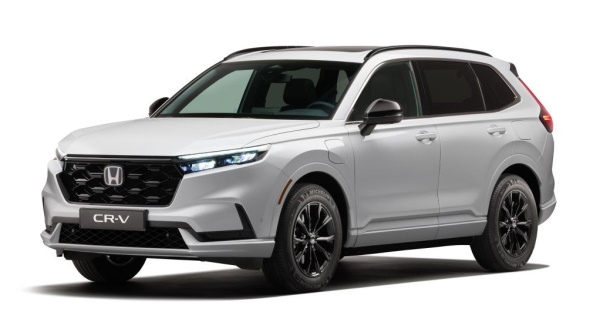 2024 Honda CR-V Owner's Manual
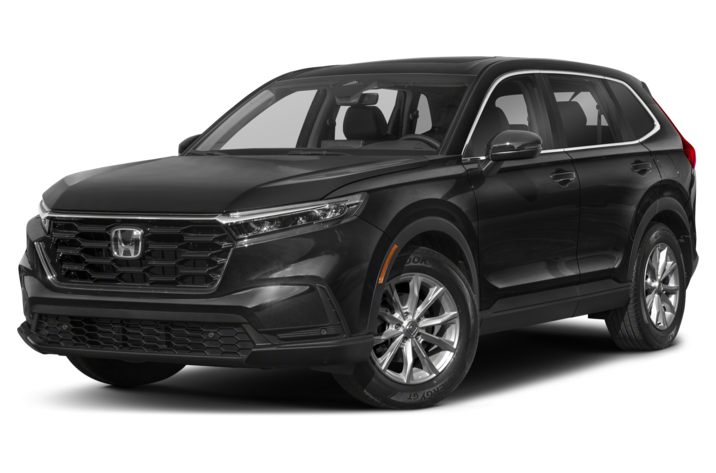 2023 Honda CR-V Owner's Manual
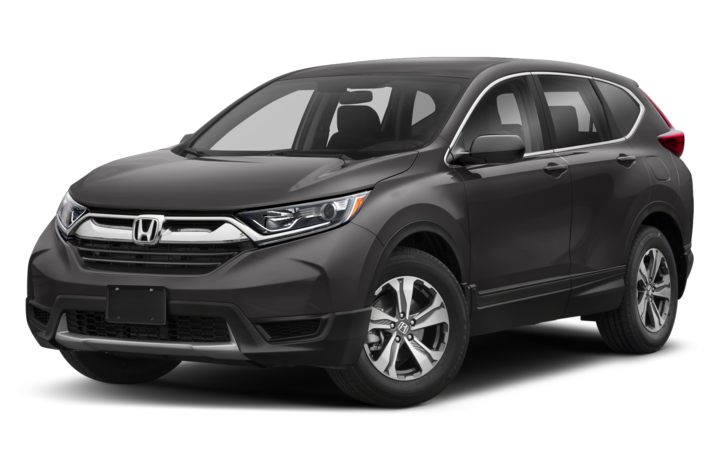 2021 Honda CR-V Owner's Manual
 2018 Honda CR-V Owner's Manual
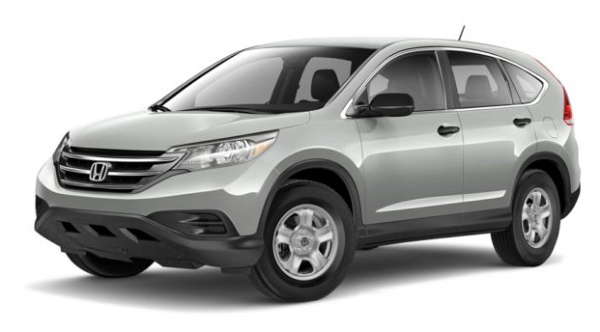 2015 Honda CR-V Owner's Manual


