

09/07/16 18:37:04 31SWA630_304
Fuel Economy
Actual Mileage and EPA Fuel
Economy Estimates Comparison.
Fuel economy is not a fixed number.
It varies based on driving conditions,
driving habits and vehicle condition.
Therefore, it is not possible for one
set of estimates to predict fuel
economy precisely for all drivers in
all environments.
Highway MPG
City MPG
Combined Fuel
Economy
Estimated Annual
Fuel Cost
The EPA fuel economy estimates
shown in the example to the right
are a useful tool for comparison
when buying a vehicle. EPA
estimates include:
(Sample U.S. EPA label shown)
achieved is also provided.
per gallon (based on EPA fuel cost
data) divided by the combined fuel
economy.
Combined Fuel Economy -
Represents a combination of city and
highway driving. The scale
represents the range of combined
fuel economy for other vehicles in
the class.
City MPG - Represents urban
driving in light traffic. A range of
miles per gallon achieved is also
provided.
For more information on fuel
economy ratings and factors that
affect fuel economy, visit www.
fueleconomy.gov
vehicles.gc.ca
)
www.
(Canada: Visit
Highway MPG - Represents a
mixture of rural and interstate
driving, in a warmed-up vehicle,
typical of longer trips in free-flowing
traffic. A range of miles per gallon
Estimated Annual Fuel Cost -
Provides an estimated annual fuel
cost, based on 15,000 miles (20,000
km) per year multiplied by the cost
299

09/07/16 18:37:21 31SWA630_305
Fuel Economy
Drive Efficiently
Fuel Economy Factors
The following factors can lower your
vehicle’s fuel economy:
Use the recommended viscosity
motor oil, displaying the API
Certification Seal (see page
349).
- Rapid
Drive moderately
acceleration, abrupt cornering,
and hard braking increase fuel
consumption.
Aggressive driving (hard
acceleration and braking)
Excessive idling, accelerating and
braking in stop-and-go traffic
Cold engine operation (engines
are more efficient when warmed
up)
Maintain proper tire inflation
- An underinflated tire increases
‘‘rolling resistance,’’ which reduces
fuel economy.
-
Observe the speed limit
Aerodynamic drag has a big effect
on fuel economy at speeds above
45 mph (75 km/h). Reduce your
speed and you reduce the drag.
Trailers, car top carriers, roof
racks and bike racks are also big
contributors to increased drag.
Driving with a heavy load or the
air conditioner running
Improperly inflated tires
Avoid carrying excess weight in
- It puts a heavier
your vehicle
load on the engine, increasing fuel
consumption.
Improving Fuel Economy
- In
-
Keep your vehicle clean
Avoid excessive idling
results in 0 miles per gallon (0 kms
per liter).
Idling
Vehicle Maintenance
particular, a build-up of snow or
mud on your vehicle’s underside
adds weight and rolling resistance.
Frequent cleaning helps your fuel
economy.
A properly maintained vehicle
maximizes fuel economy. Poor
maintenance can significantly reduce
fuel economy. Always maintain your
vehicle according to the maintenance
messages displayed on the multi-
information display (see Owner’s
Maintenance Checks on page 346 ).
For example:
300

09/07/16 18:37:33 31SWA630_306
Fuel Economy
Minimize the use of the air
conditioning system - The A/C
puts an extra load on the engine
which makes it use more fuel. Use
the fresh-air ventilation when
possible.
Checking Your Fuel Economy
Gallons
Miles per
Gallon
Miles
driven
of fuel
Plan and combine trips -
Combine several short trips into
one. A warmed-up engine is more
fuel efficient than a cold one.
L per
100 km
Liter
Kilometers
100
Calculating Fuel Economy
Measuring Techniques
Direct calculation is the
recommended source of information
about your actual fuel economy.
Using frequency of fill-ups or taking
fuel gauge readings are NOT
accurate measures of fuel economy.
Fuel economy may improve over the
first several thousand miles
(kilometers).
1)Fill the fuel tank until the nozzle automatically clicks off.
2)Reset trip counter to zero.
3)Record the total gallons (liters) needed to refill.
4)Follow one of the simple calculations above.
301
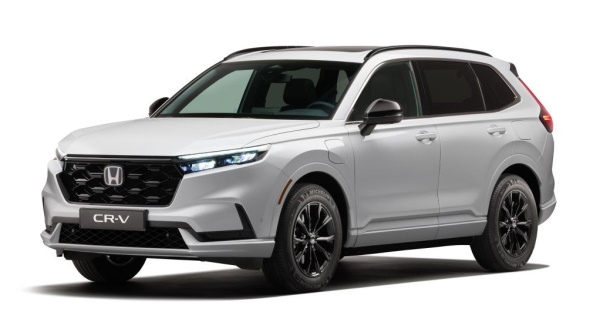 2024 Honda CR-V Owner's Manual
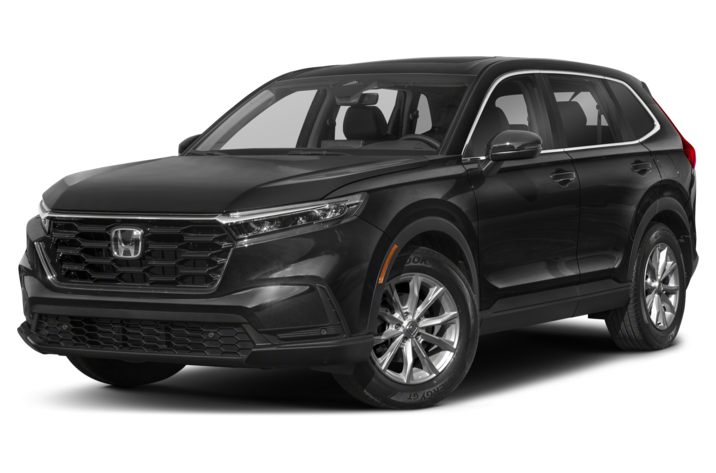 2023 Honda CR-V Owner's Manual
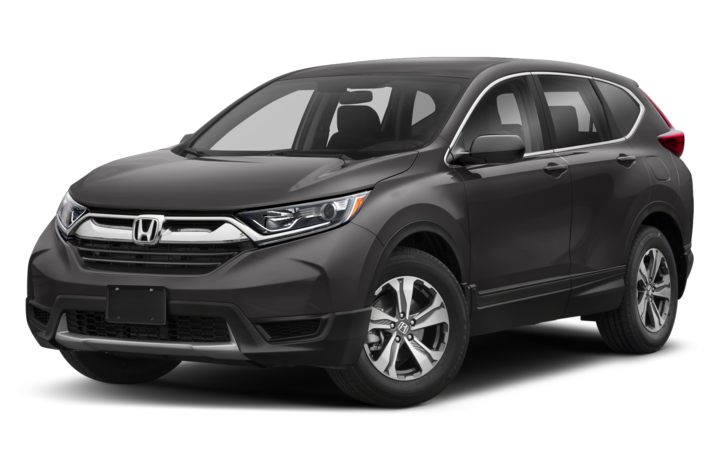 2021 Honda CR-V Owner's Manual
 2018 Honda CR-V Owner's Manual
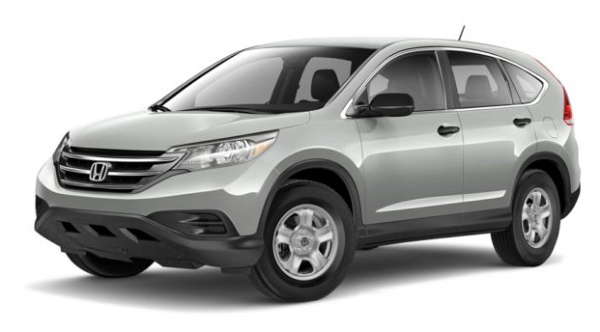 2015 Honda CR-V Owner's Manual


